

Tuscany is not just about its most famous sights. It is also revealed in a cypress-lined road, a small village square, a secluded chapel, a view around a bend in the road, an ancient stone, a simple table or a landscape bathed in light.
Montileoni Territori brings together a selection of public, accessible and sometimes little-known places, chosen for their beauty, their unassuming nature and their ability to convey a certain vision of Tuscany.
Each place is presented as an invitation: to look, to walk, to pause, to understand a region through its details. This page does not aim to show everything, but to share selected fragments of a living landscape, made up of villages, hills, craftsmanship, memory and hospitality.
The venues listed are public or open to the public at the time of selection. Opening hours, access conditions and directions may vary. We recommend checking these details before each visit.
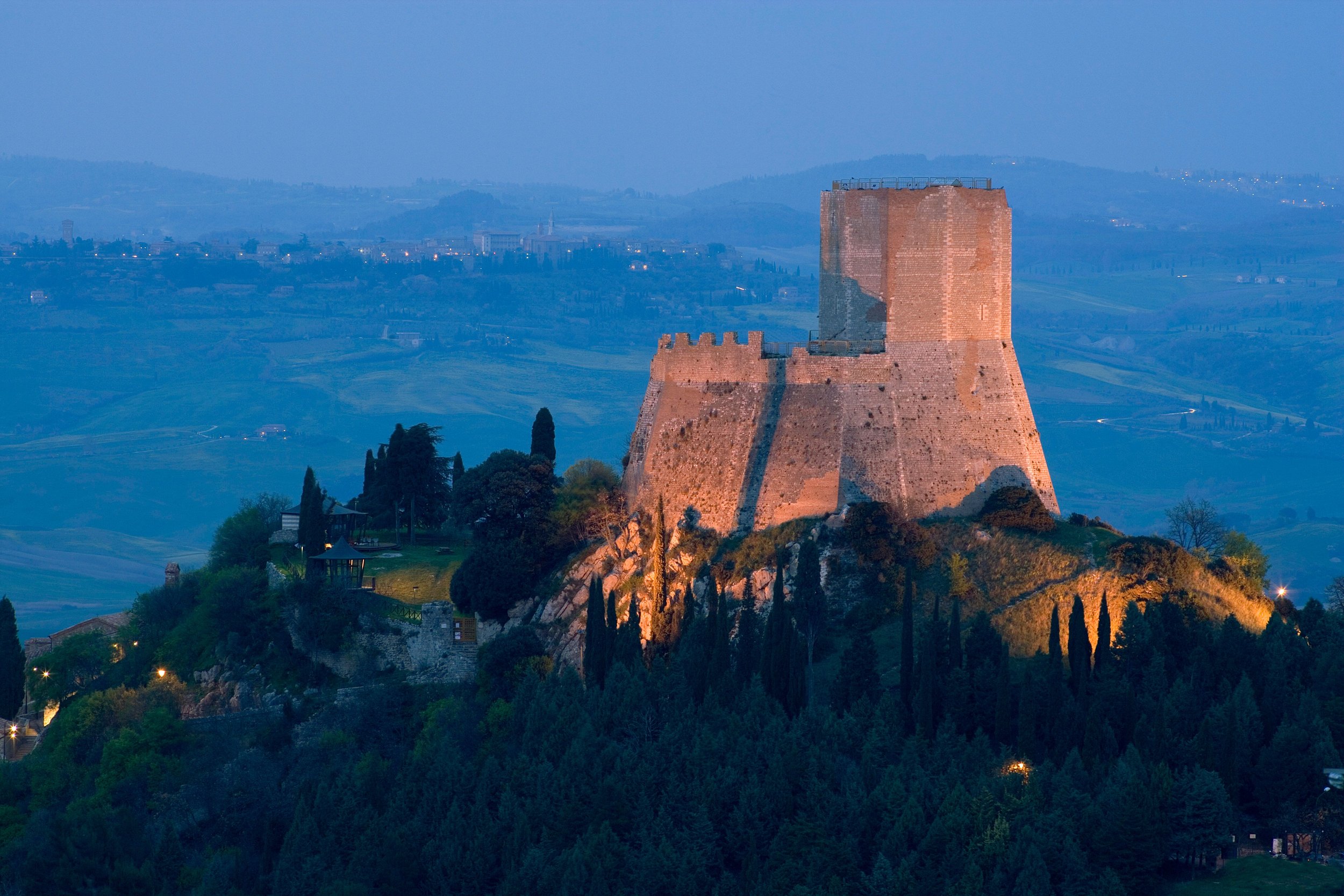
Rocca di Tentennano
Rocca d’Orcia, Tuscany
The Rocca di Tentennano stands on a rocky outcrop overlooking the Val d’Orcia. From the fortress, the view takes in the hills, the villages, the ancient roads and the sweeping vistas of the valley.
The site retains a rare sense of vertical power, blending stone, protection, the horizon and medieval history.
43.0050, 11.6170
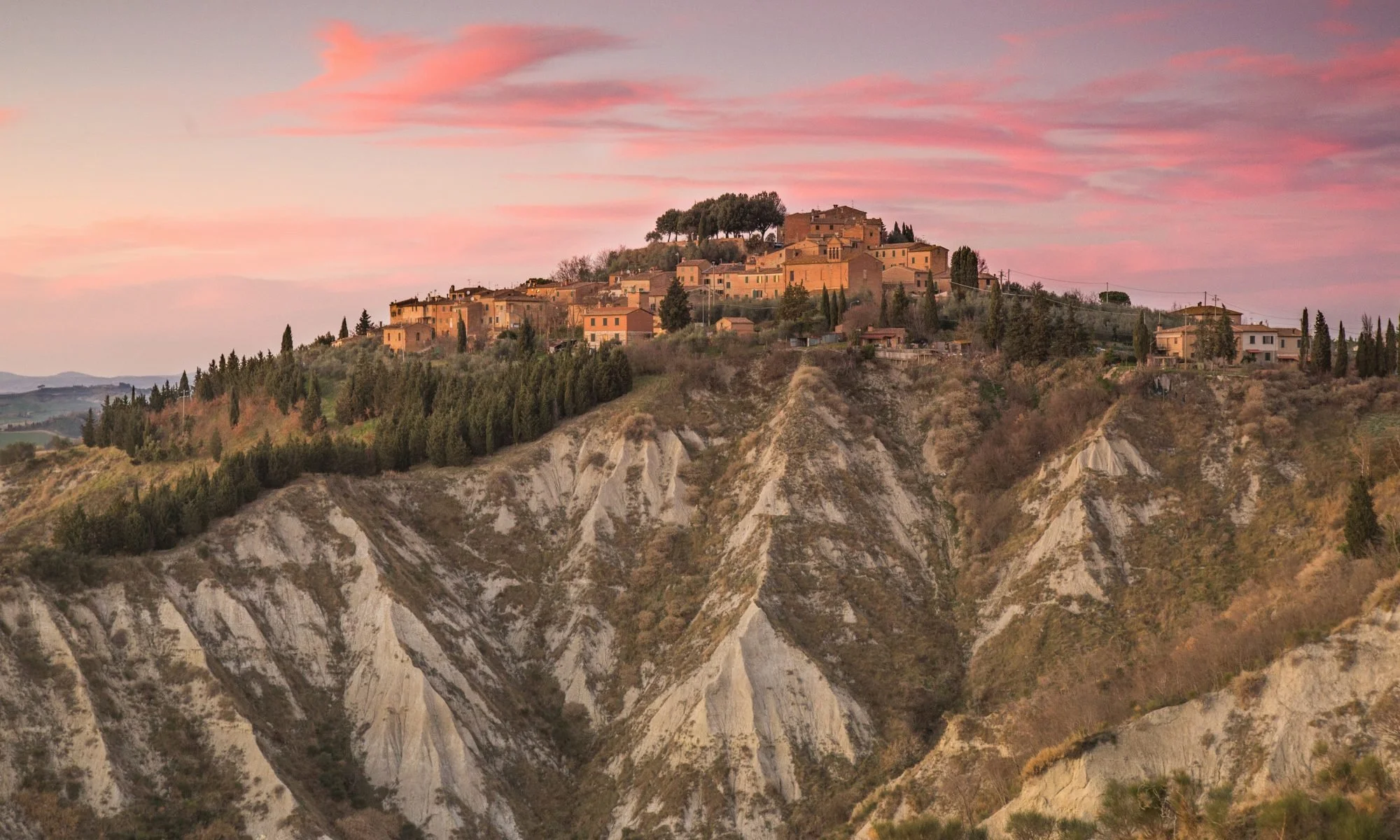
Chiusure & Calanchi di Monte Oliveto Maggiore
Crete Senesi, Tuscany
Around the village of Chiusure, the calanchi create a landscape of clay, ridges and ravines with an almost lunar appearance.
The light changes rapidly here, revealing arid, mineral-rich and unique terrain. This area reveals a rougher side of Tuscany, shaped by erosion, the seasons and the slow transformation of the earth.
43.1740, 11.5450
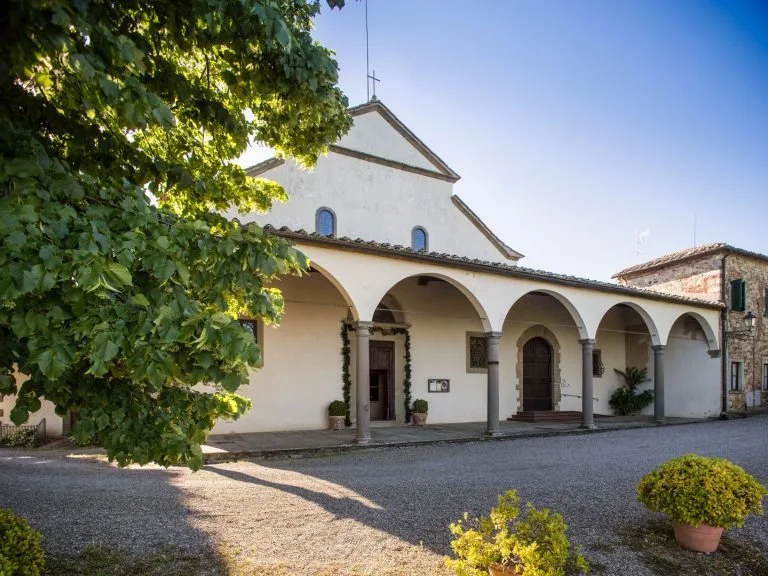
Pieve di San Leolino
Panzano in Chianti, Tuscany
A Romanesque church situated on the hills above Panzano, the Pieve di San Leolino overlooks the Chianti countryside with great simplicity.
The light-coloured stone, the simple proportions and the tranquillity of the spot make it a welcome stop amongst the villages, vineyards and hills. Its architecture evokes a Tuscany of moderation, silence and continuity.
43.5458, 11.3159
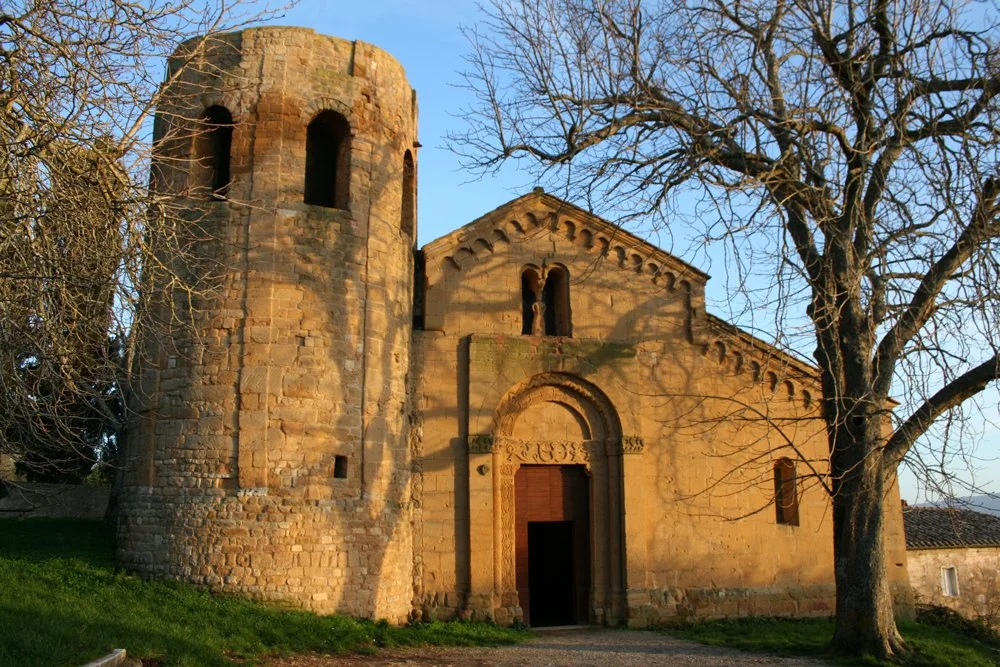
Pieve di Corsignano
Pienza, Tuscany
Just a stone’s throw from Pienza, the Pieve di Corsignano offers a more understated view of the Val d’Orcia. The church, built of exposed stone, stands in the midst of an open landscape where the countryside reveals its full depth.
Its simple, almost silent presence evokes an ancient, rural Tuscany, deeply connected to the land.
43.0771, 11.6712
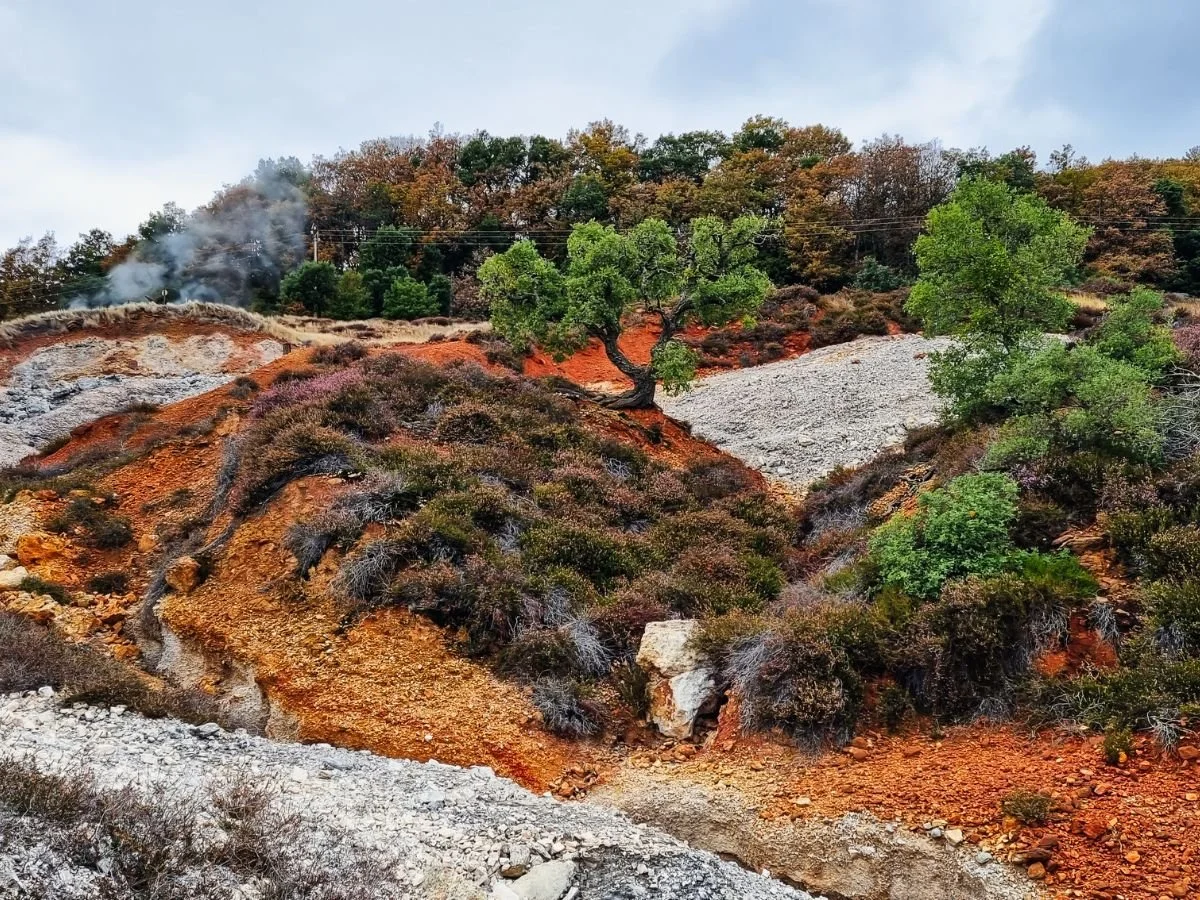
Parco delle Biancane
Monterotondo Marittimo, Tuscany
The Parco delle Biancane reveals an unexpected geothermal landscape, featuring light-coloured rocks and soil in shades of ochre and red.
Natural phenomena remain visible in the open air here, giving the trail an almost volcanic feel. This place showcases a lesser-known side of Tuscany, shaped by subterranean energy and the earth’s transformations.
43.1460, 10.8560
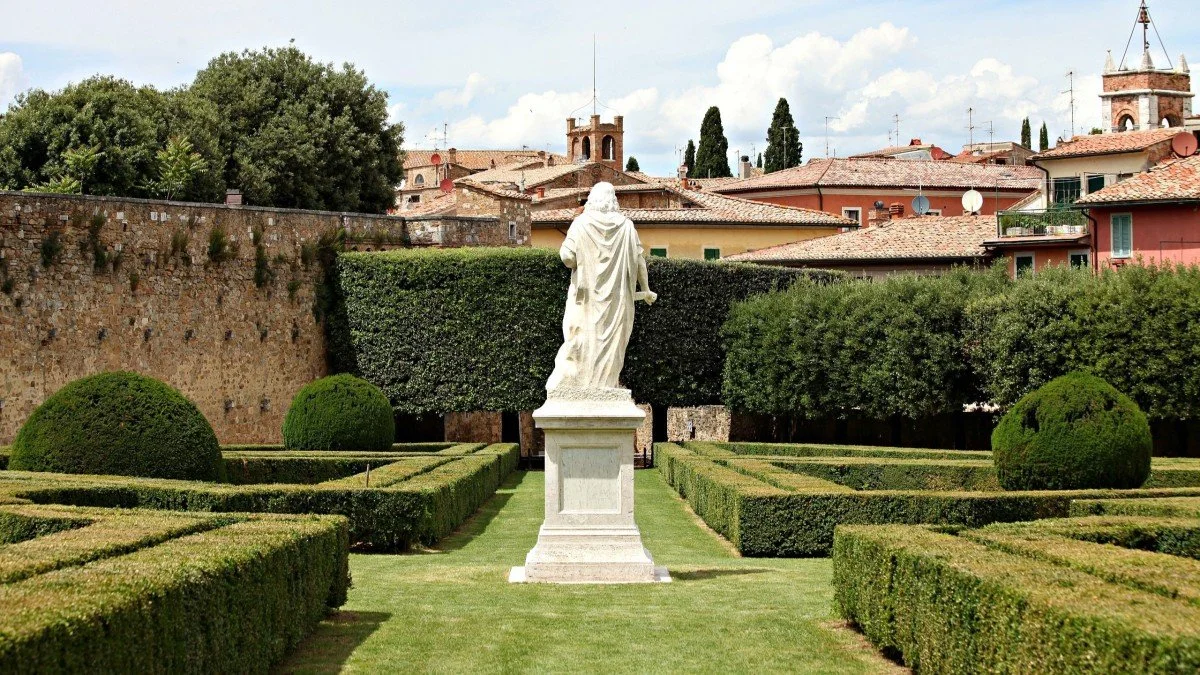
Horti Leonini
San Quirico d’Orcia, Tuscany
A 16th-century Italian garden situated in the heart of San Quirico d’Orcia, the Horti Leonini offer a simple composition of boxwood, paths and vistas.
Created around 1580 by Diomede Leoni, they retain the balance of a garden conceived as a form of plant architecture. The site offers a glimpse of a Tuscany characterised by proportion, tranquillity and mastery of the landscape.
43.0576, 11.6054