
CAMPAGNE
“FLORENCE HIDDEN GEMS”
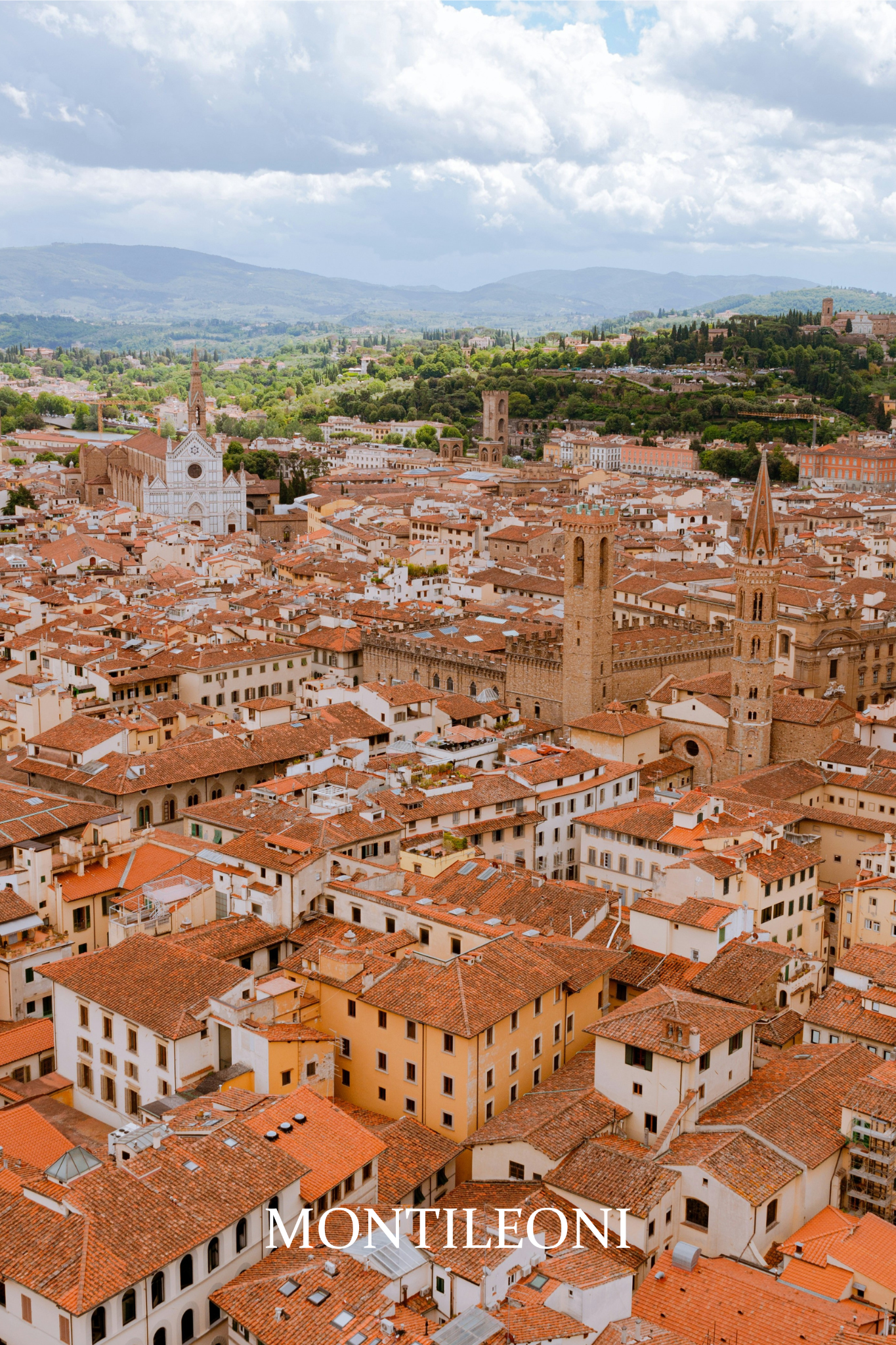
Its most expansive breath, amidst bluish hills, clay-tiled roofs and sacred silhouettes.
A city suspended in time, where every stone seems to retain the warmth of a Tuscan afternoon.
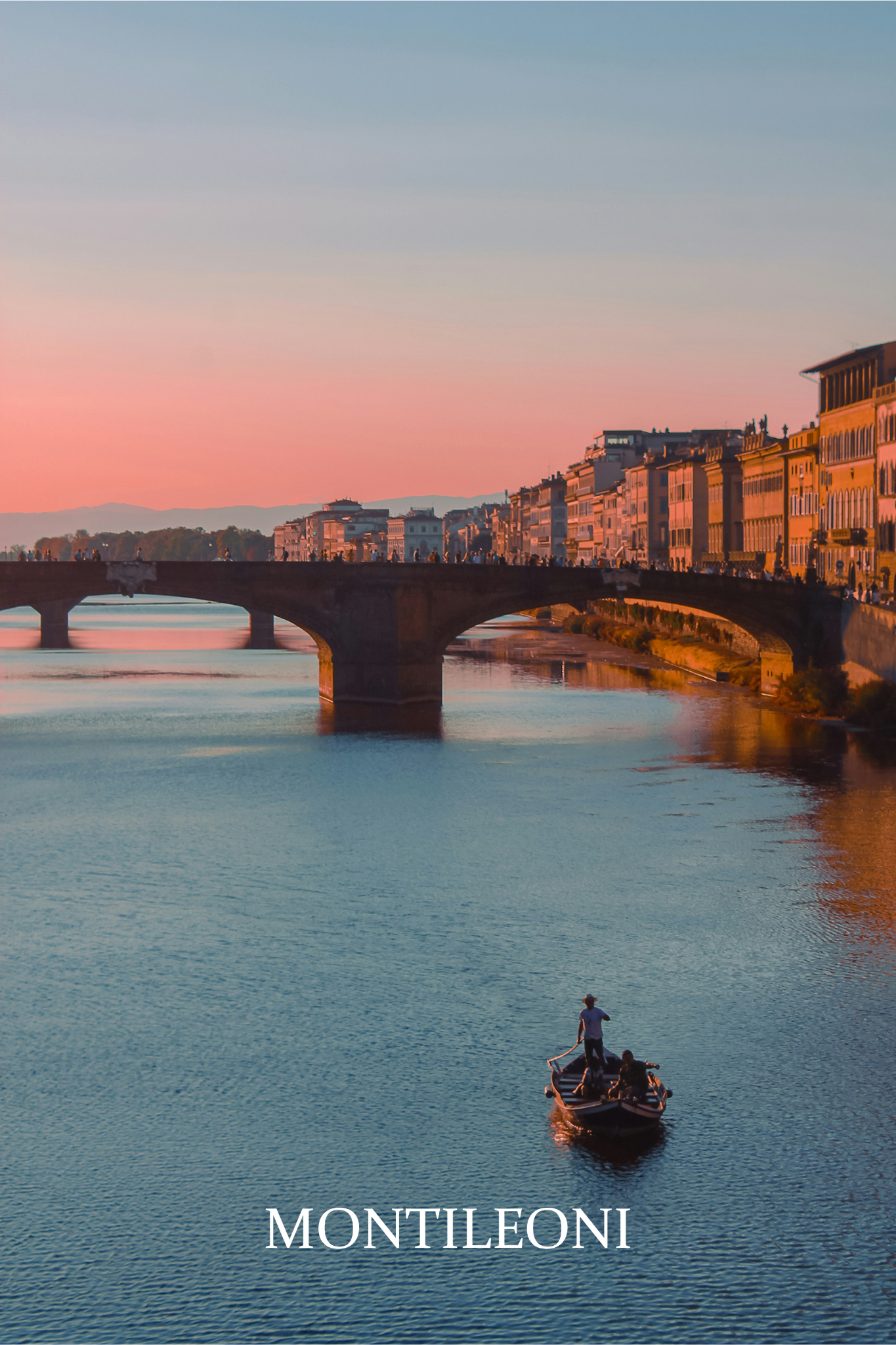
On the Arno, the day fades into a light of pink and gold.
The boat glides slowly, like a secret entrusted by Florence to those who know how to wait.
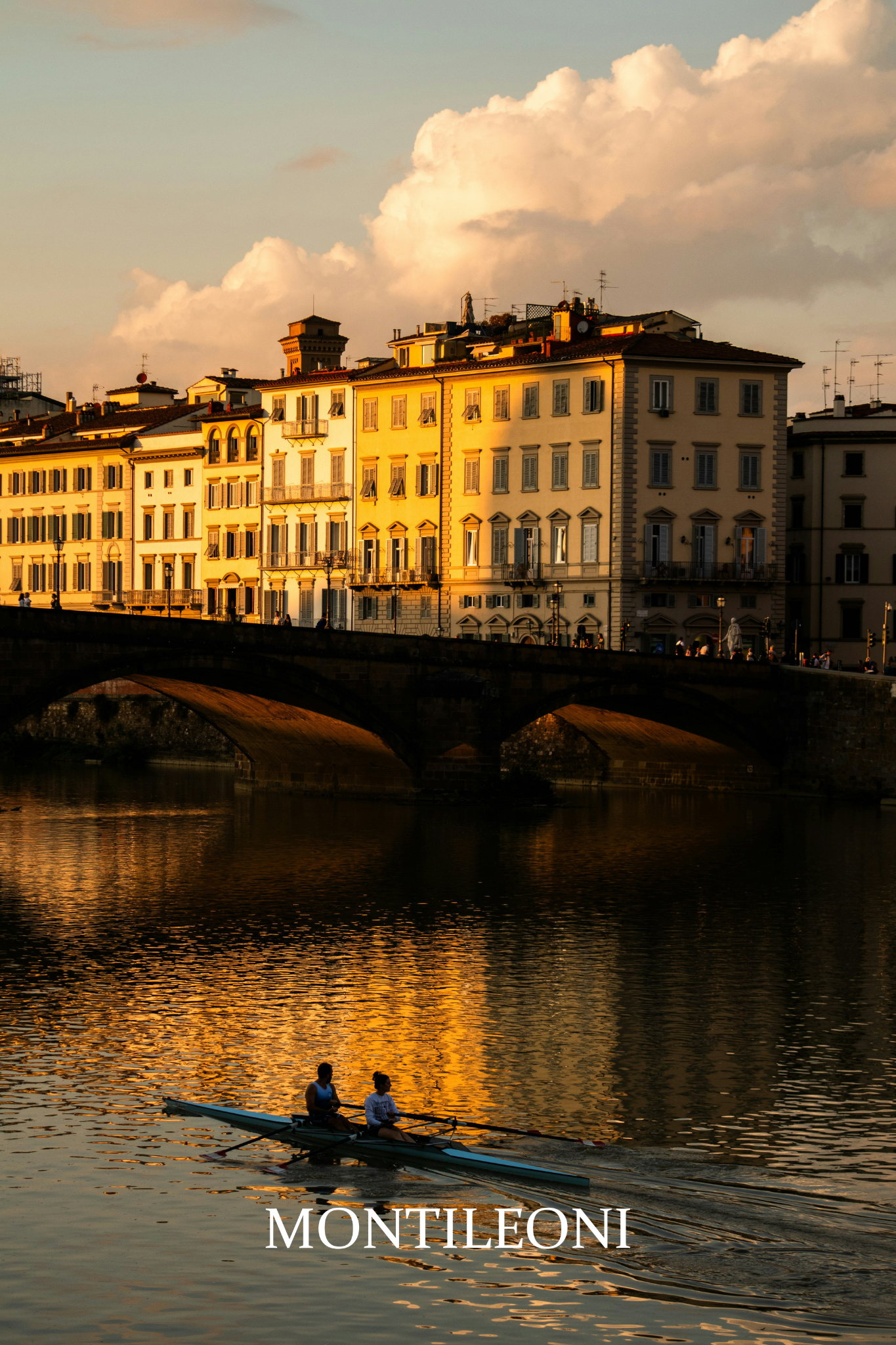
The sun-drenched façades form a silent symphony by the water’s edge.
In this golden reflection, Florence reveals the understated elegance of its most intimate moments.
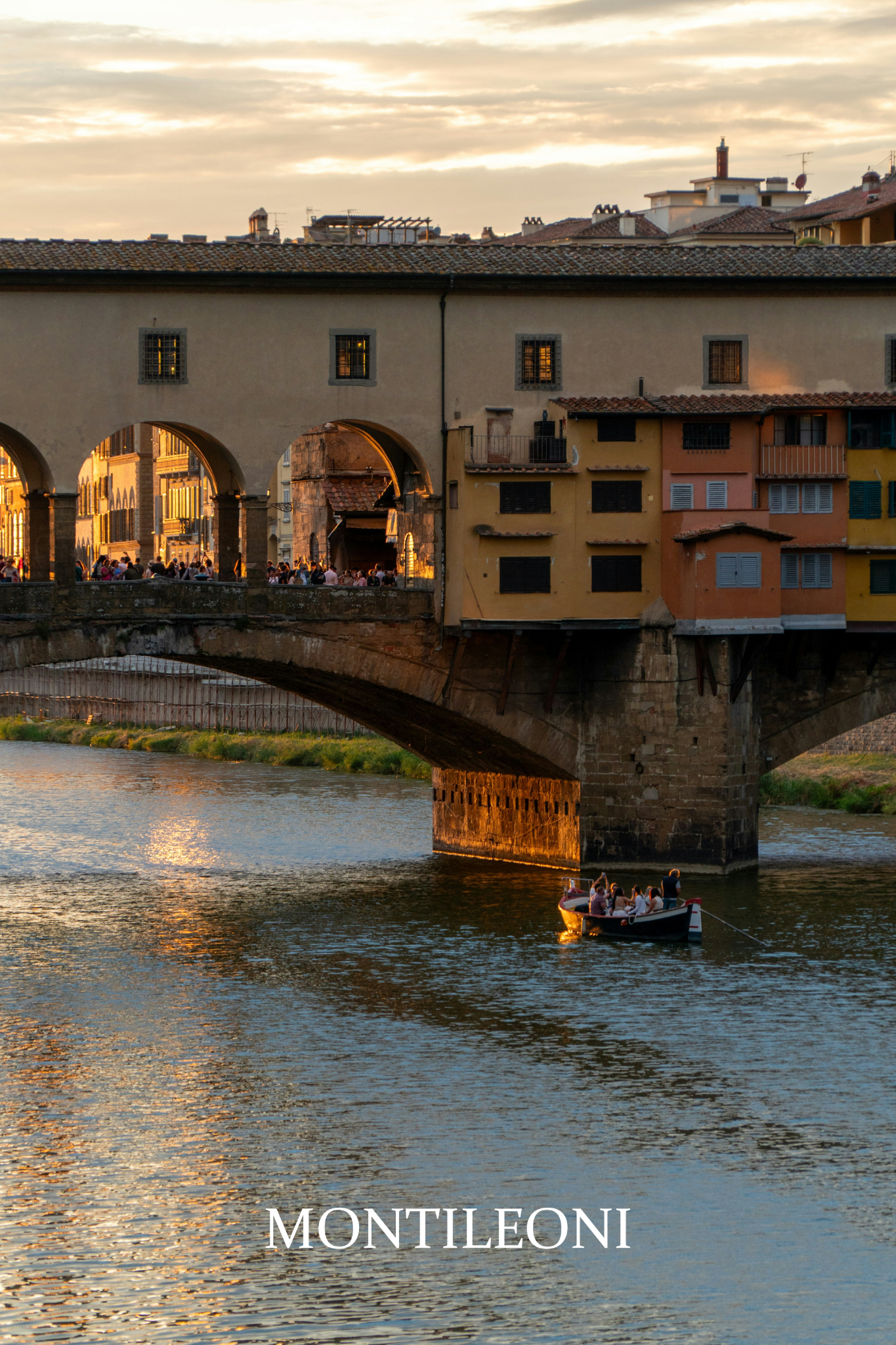
The Ponte Vecchio appears like an ancient jewel box, set between the pale sky and the shimmering waters.
Beneath its arches, the city lets time pass with an almost motionless grace.
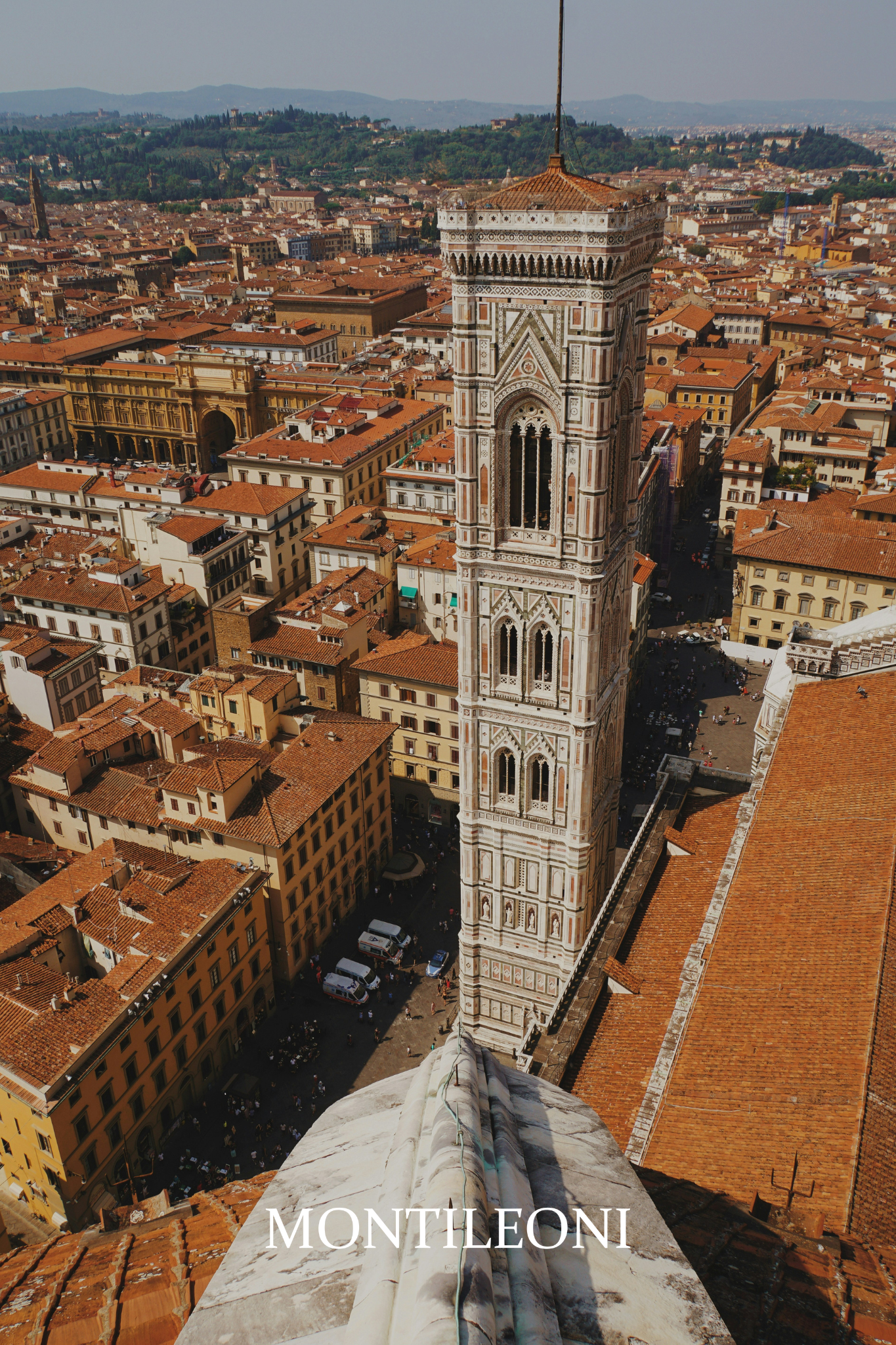
From the heights, the campanile rises above the rooftops with the precision of a work of art.
Florence then reveals itself as a mosaic of terracotta, marble and light.
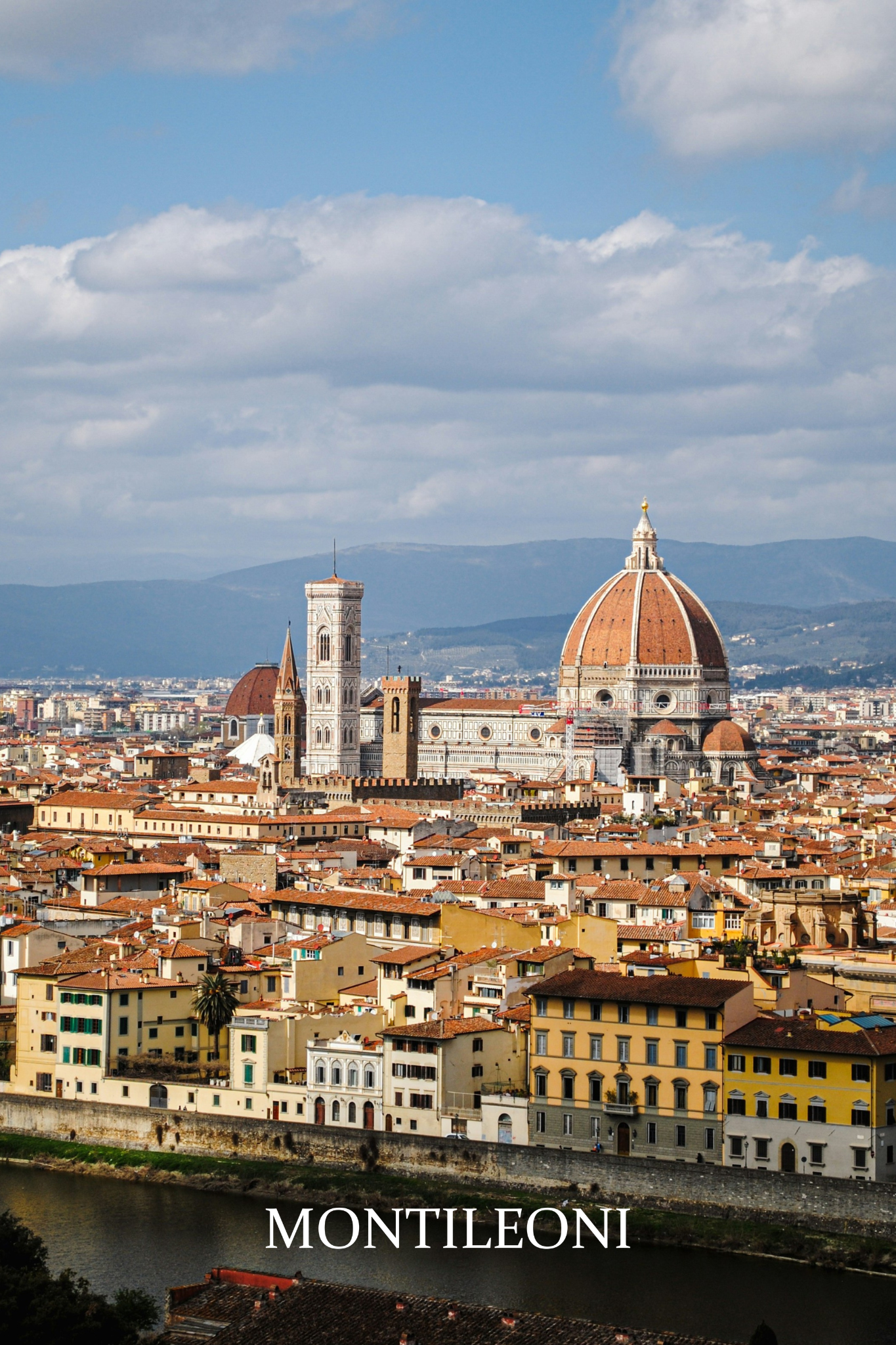
The Duomo, majestic yet never ostentatious, watches over the city like a familiar presence.
Around it, the tightly packed houses evoke the quiet luxury of a living heritage.
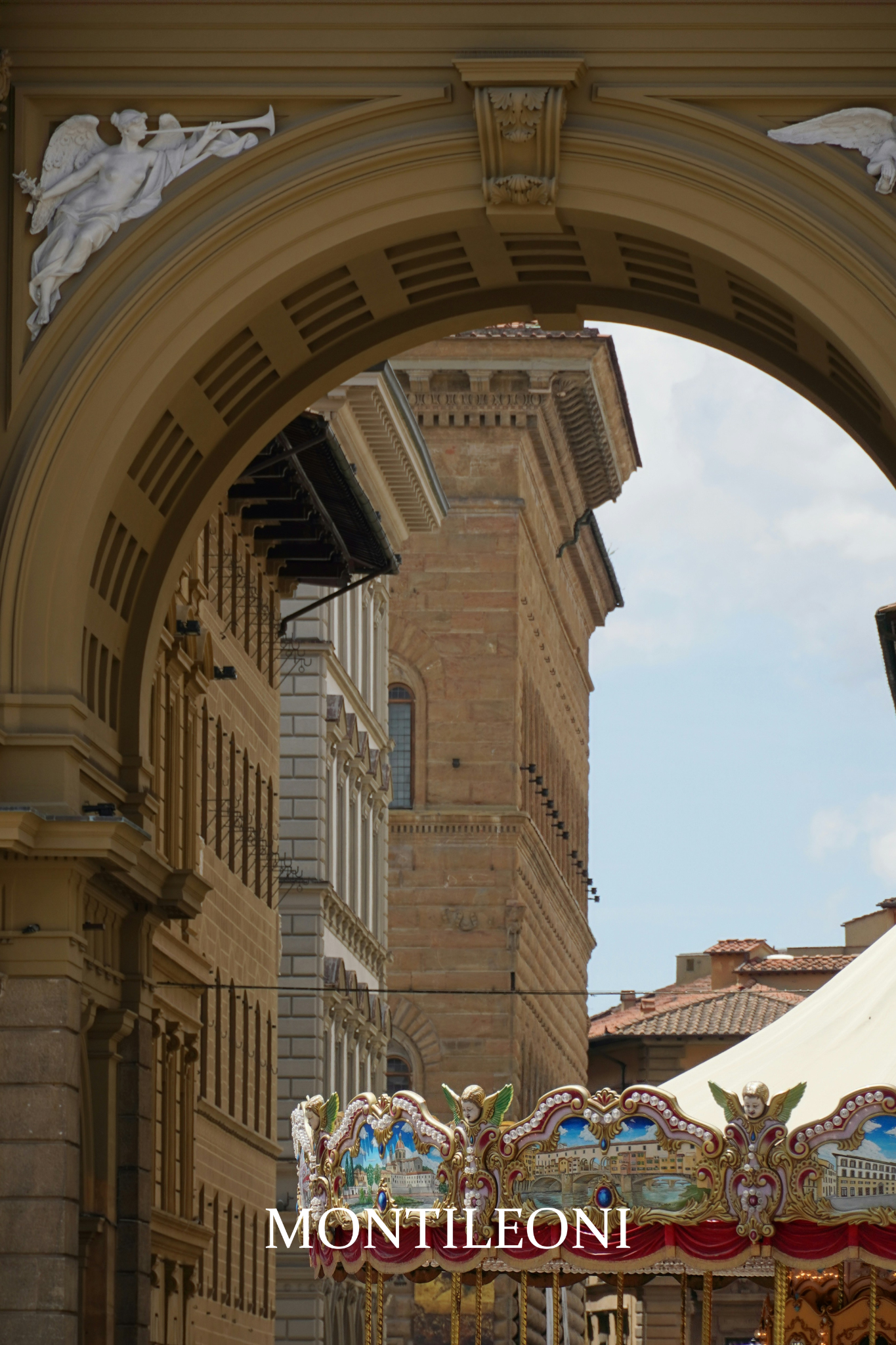
Beneath the arch, an unexpected vista reveals a more secret, almost theatrical side to Florence.
The carousel, the angels and the stone come together to create a scene where childhood meets grandeur.
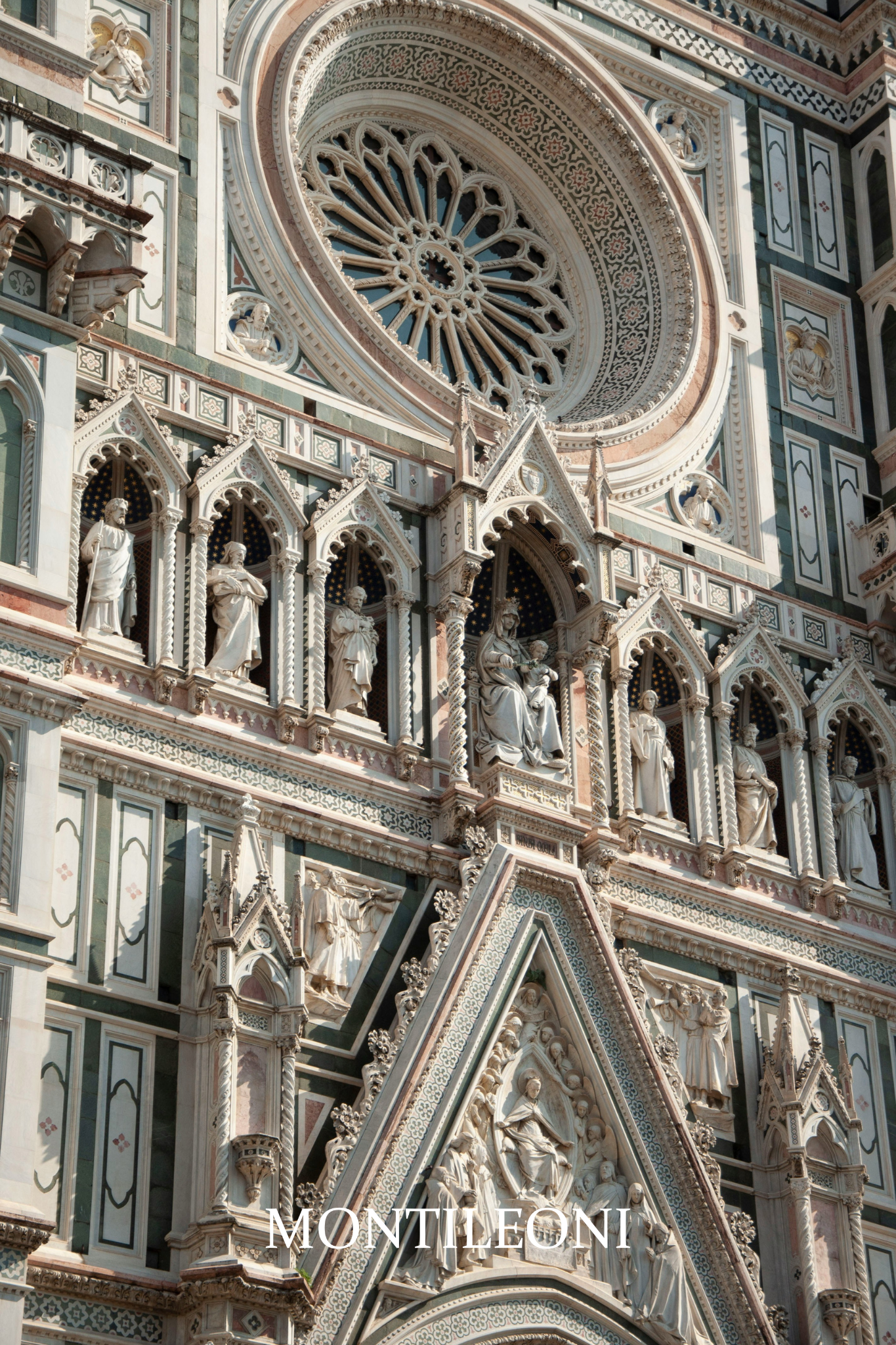
The façade unfolds like a lacework of marble, chiselled with infinite patience.
Every figure, every motif, every shadow speaks of Florentine art in its most absolute refinement.
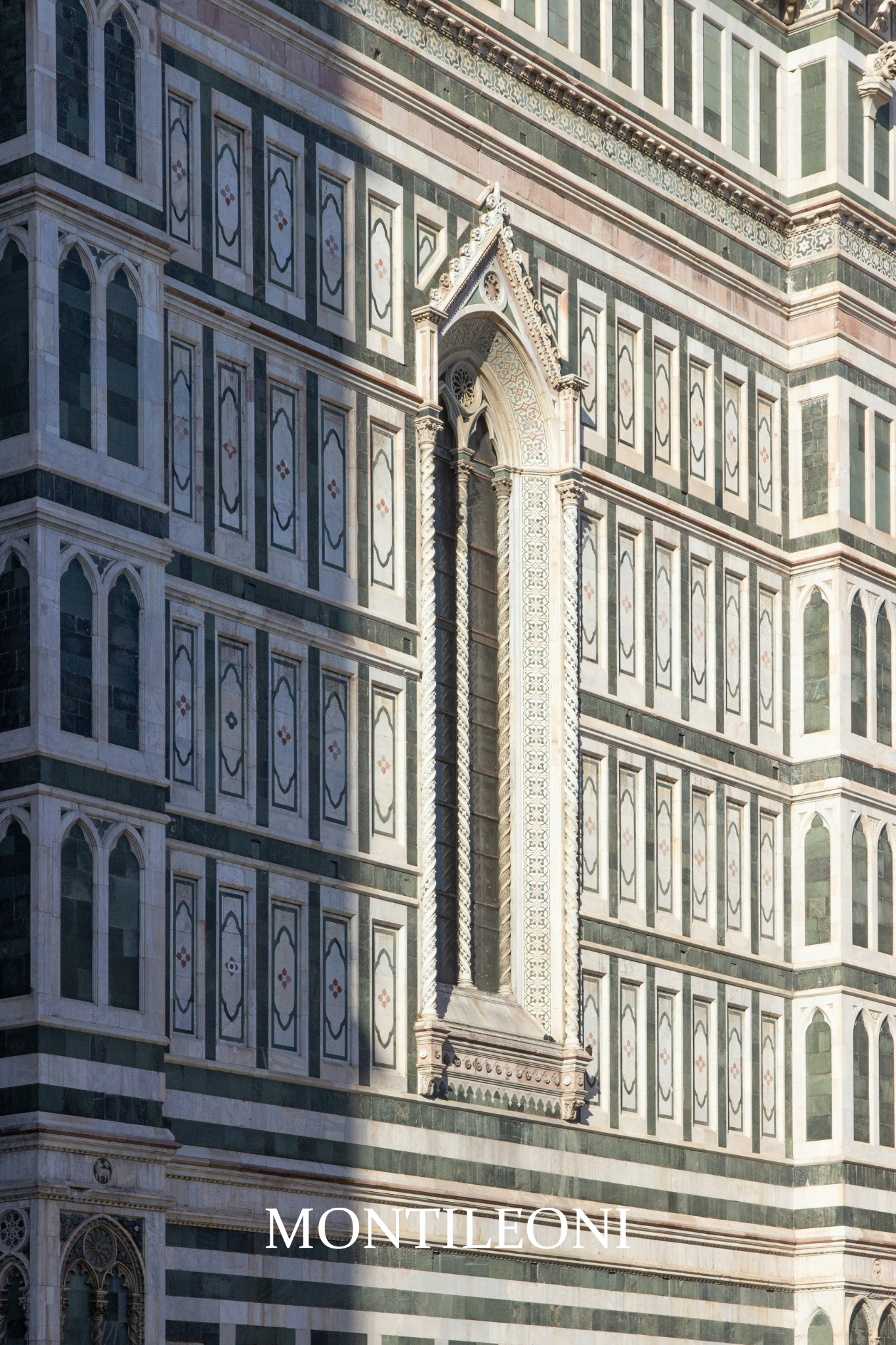
The marble becomes rhythm, balance and silence.
The light glides over the geometric lines as if over a precious fabric, revealing Florence’s timeless modernity.
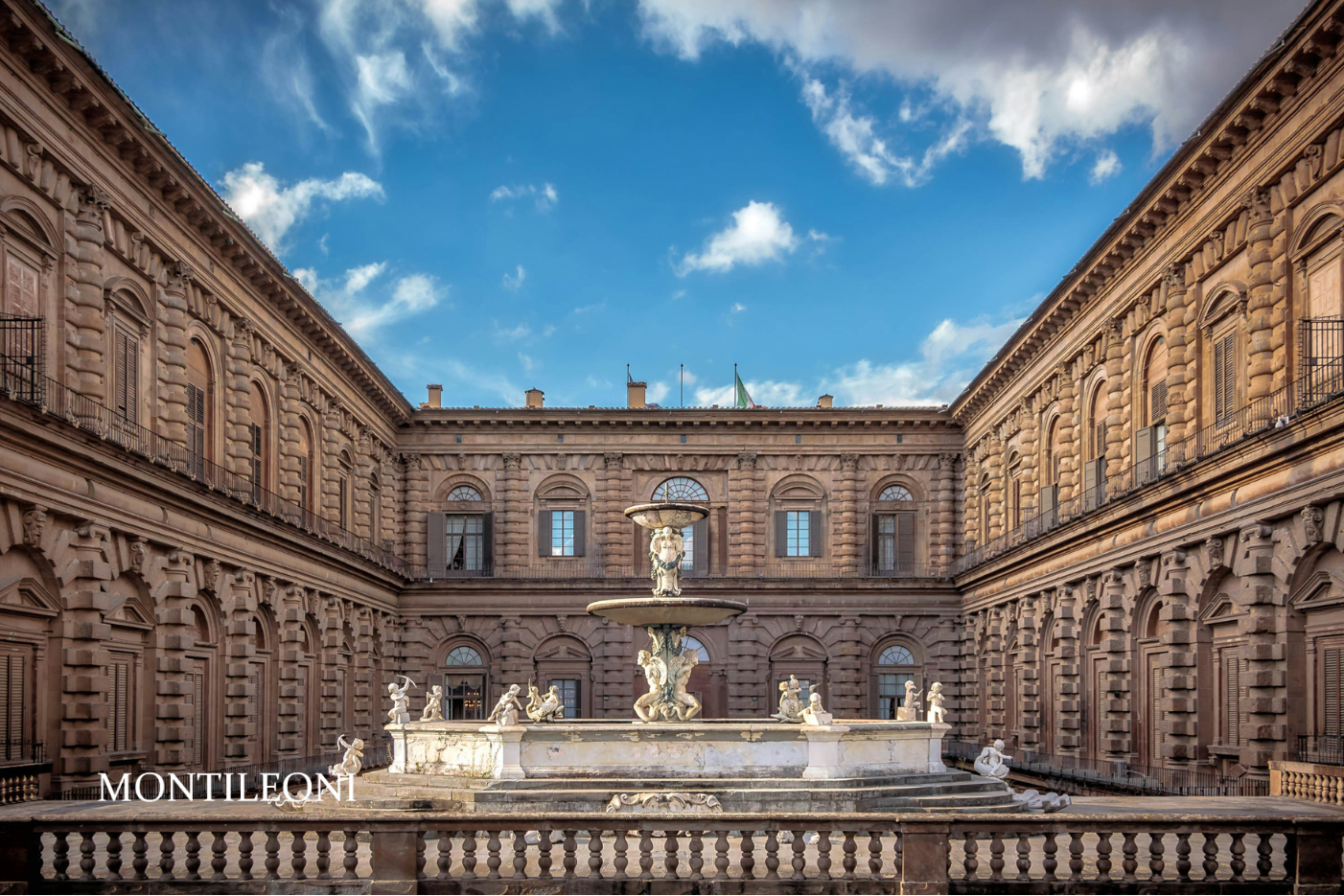
In the courtyard, the architecture exudes a serene nobility, enhanced by the open sky. The fountain at the centre seems to strike a balance between history, proportion and beauty.
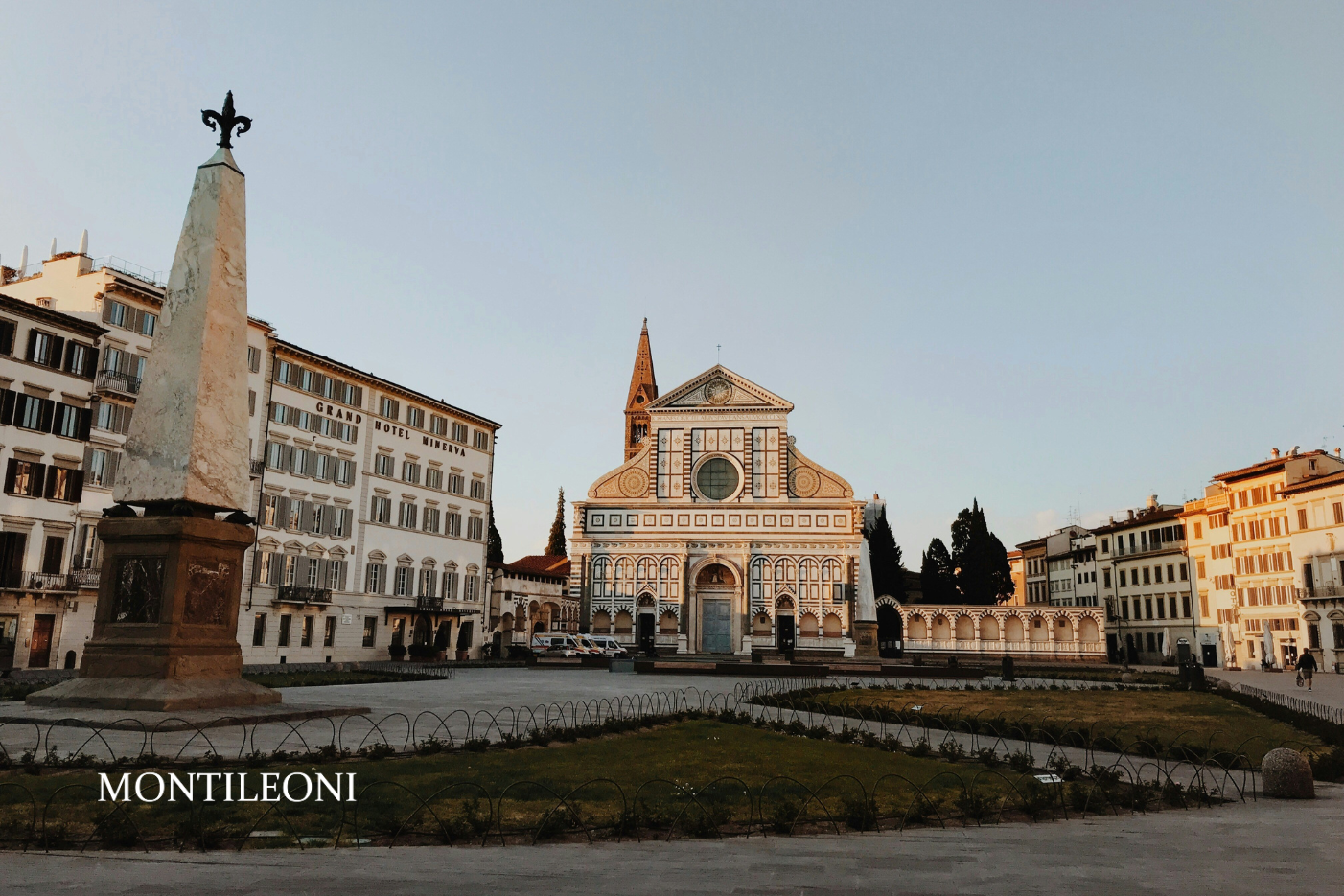
The basilica appears at the far end of the square like a peaceful apparition, bathed in the evening light. Between the obelisk, the façades and the elegant emptiness of the space, Florence breathes with restraint.
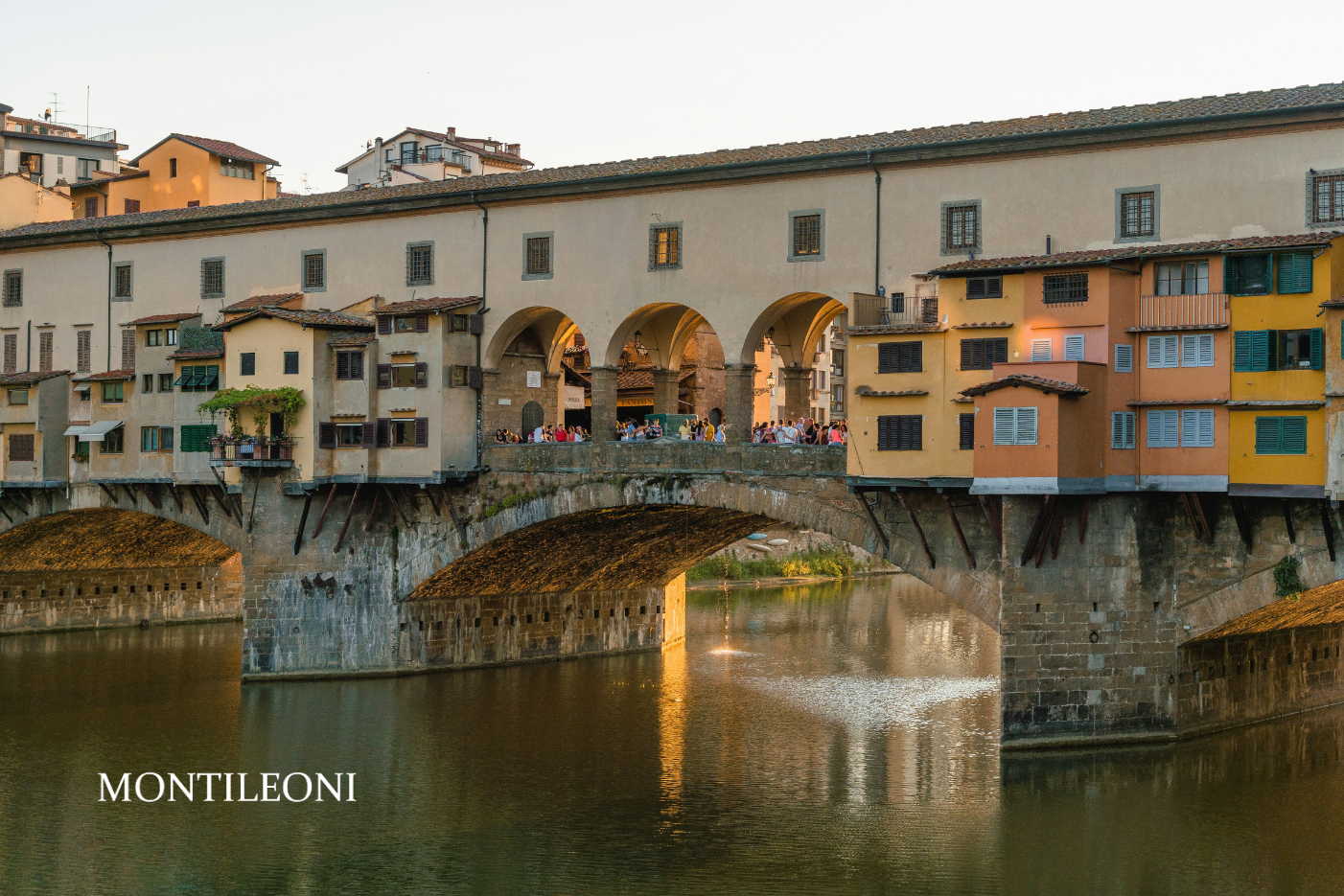
Here, the Ponte Vecchio reveals itself in all its physicality, amidst suspended houses, mighty arches and amber reflections. It is a more tactile, almost intimate Florence, shaped by water and time.
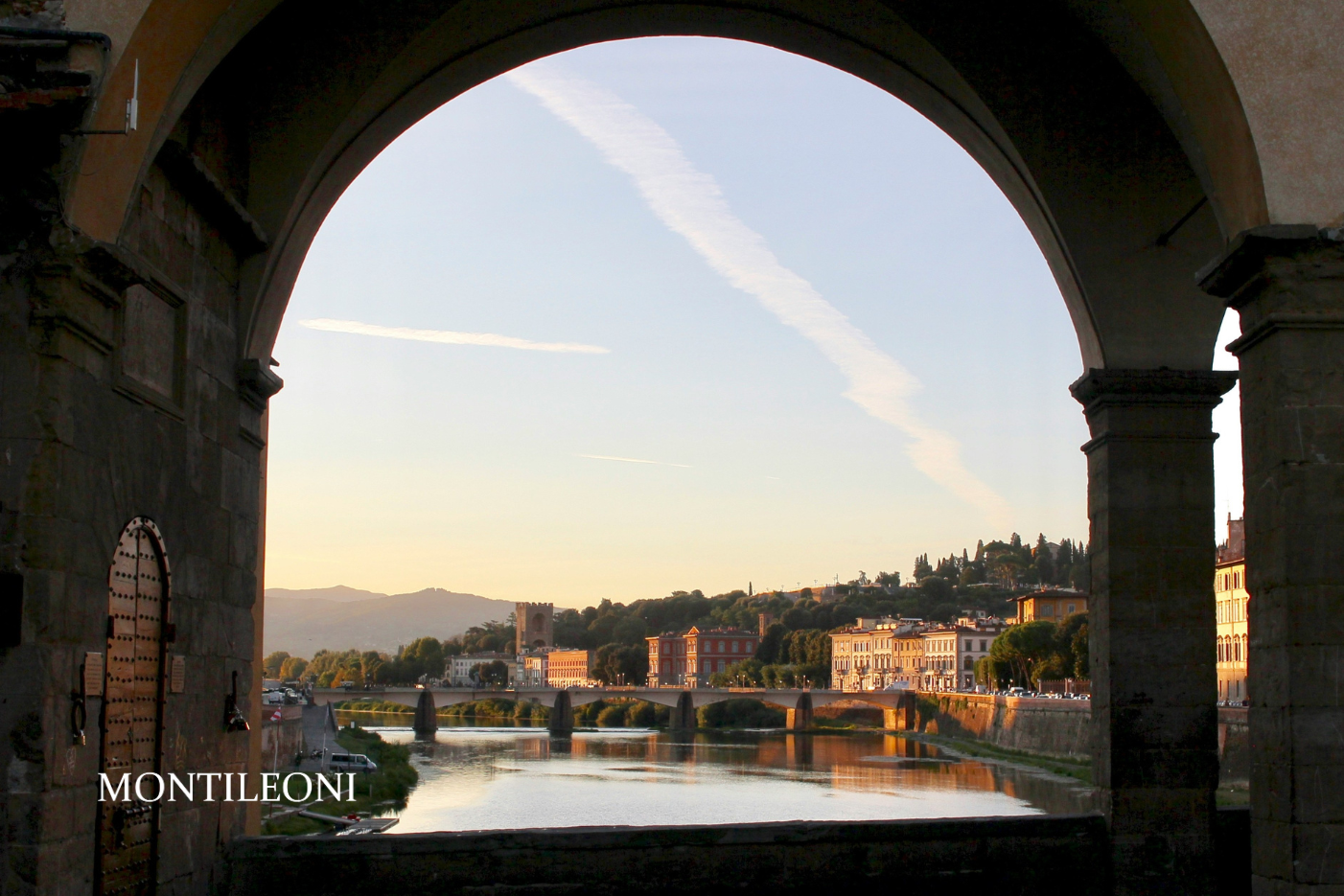
Framed by stone, the Arno becomes a silent tableau opening out onto the city. This discreet vantage point reveals an inner Florence, made up of thresholds, passageways and fleeting lights.
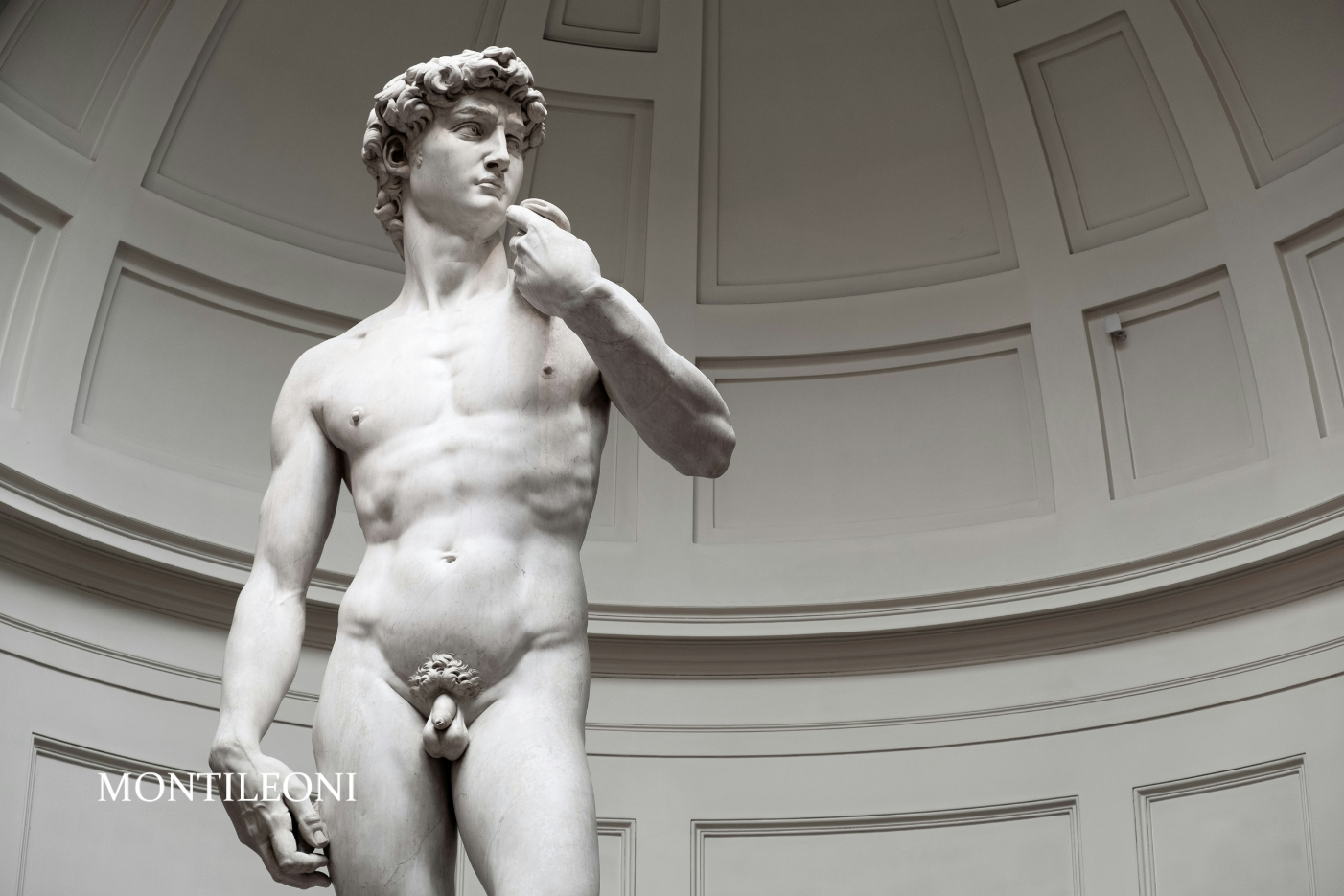
The David stands in majestic whiteness, embodying a blend of restrained strength and ideal beauty. Facing him, the observer realises that Florence never reveals everything: it suggests, it withholds, it elevates.